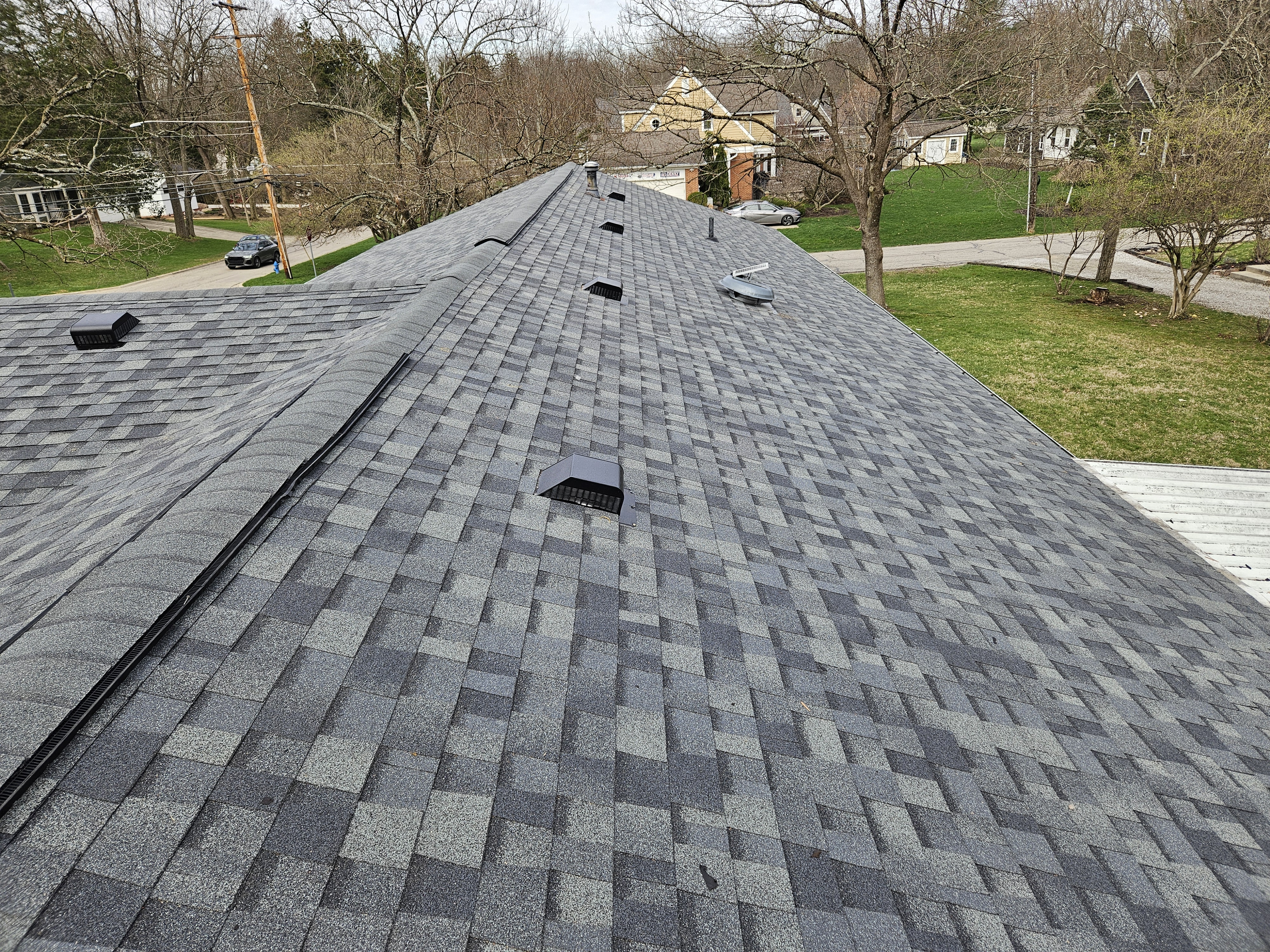
What Goes Under Your Shingles: Underlayment & Ice Shield
When most homeowners think about a new roof, they focus on the shingles they can see from the street. While shingles are an important part of your roofing system, what lies beneath them is often even more critical to protecting your home from water damage, mold, and costly repairs.
Roofing systems get looked at closely during renovation, remodeling, and construction projects throughout Columbus, Ohio, and one of the most common questions that comes up while a roofing estimate is being put together is:
"What exactly goes under the shingles?"
The answer includes several layers designed to work together to create a durable, weather-resistant roofing system.
The Layers Beneath Your Roof Shingles
A properly installed roof typically consists of the following layers:
1. Roof Decking
The roof decking, also called roof sheathing, forms the structural foundation of your roof. Typically made from plywood or OSB (oriented strand board), the decking provides a solid surface for roofing materials to attach to.
Over time, leaks can cause decking to rot, weaken, or deteriorate. That's why a professional roofing inspection should always evaluate the condition of the decking before installing new roofing materials.
2. Ice and Water Shield
Ice and water shield is a self-adhering waterproof membrane installed in the most vulnerable areas of the roof.
These locations commonly include:
- Roof eaves
- Roof valleys
- Around chimneys
- Skylights
- Roof penetrations and vents
- Low-slope roof sections
Why Is Ice and Water Shield Important?
Ohio's winters can create ice dams along roof edges. When snow melts and refreezes, water can back up underneath shingles and penetrate the roofing system.
Ice and water shield acts as a secondary waterproof barrier, helping prevent:
- Interior water damage
- Mold and mildew growth
- Rotting roof decking
- Damaged insulation
- Costly structural repairs
Without proper protection in these critical areas, even a newly installed roof can experience premature failure.
3. Roofing Underlayment
After ice and water shield is installed, roofing underlayment is applied over the remaining roof deck.
Modern roofing systems typically use one of two types:
Synthetic Underlayment
Synthetic underlayment has become the preferred choice for many roofing professionals because of its durability and superior moisture resistance.
Benefits include:
- Excellent tear resistance
- Enhanced moisture protection
- Improved UV resistance
- Longer lifespan
- Lightweight installation
Traditional Felt Underlayment
Traditional felt underlayment, often called tar paper, has been used for decades. While still effective, it is generally more susceptible to tearing and moisture absorption than synthetic alternatives.
Why Underlayment Matters
Think of underlayment as your roof's backup defense system.
If severe weather, damaged shingles, or wind-driven rain allow water beneath the visible roofing material, the underlayment helps prevent moisture from reaching the roof decking and the interior of your home.
Without quality underlayment, small roofing issues can quickly become expensive repairs.
4. Starter Strip Shingles
Starter strips are installed along roof edges before the primary shingles are applied.
These specialized roofing components help:
- Improve wind resistance
- Create a watertight seal
- Prevent shingle blow-offs during storms
- Extend the life of the roofing system
Although homeowners rarely see them, starter strips play a vital role in roof performance.
5. Roof Shingles
Finally, the visible roof shingles are installed over the underlayment system.
Whether you're choosing architectural asphalt shingles, designer shingles, or premium roofing products, their long-term performance depends heavily on the quality of the materials beneath them.
Why Homeowners Should Ask What's Included Beneath the Roof
When comparing roofing estimates, homeowners often focus on shingle brands and total project cost. However, two roofing proposals may appear similar while offering significantly different levels of protection beneath the surface.
Important questions to ask include:
- What type of underlayment will be installed?
- Is ice and water shield included?
- How much ice and water shield coverage is specified?
- Will damaged roof decking be replaced if discovered?
- Are starter strips included in the estimate?
The answers can significantly impact both the lifespan of your roof and the protection of your home.
The Cost of Cutting Corners
Choosing the lowest roofing bid often means sacrificing hidden materials that provide critical protection.
Insufficient underlayment or inadequate ice and water shield installation can lead to:
- Water intrusion
- Mold remediation costs
- Structural repairs
- Damaged ceilings and drywall
- Reduced roof lifespan
A properly designed roofing system protects your investment for decades—not just during the next storm.
Trust the Entire Roofing System, Not Just the Shingles
Your shingles may be the most visible part of your roof, but they are only one component of a complete protection system.
The combination of roof decking, ice and water shield, underlayment, starter strips, and quality shingles works together to keep your home dry, energy-efficient, and protected year-round.
Informed homeowners make better decisions here. Whether you're planning a roof replacement, home renovation, or new construction project, understanding what goes beneath the shingles can help you evaluate estimates with confidence and avoid costly surprises.
What to Ask For Before You Sign
If you're considering a roof replacement, ask any contractor for a written assessment of the current roofing system and a line-by-line specification of every layer above the deck. That is what surfaces hidden issues, spells out the options, and turns a bottom-line price into an estimate you can actually compare against another one on a Columbus-area home.
To put your own number on the work before you call anyone, use the roof cost estimator.
Related Posts
GAF vs CertainTeed vs Owens Corning: Do Brands Differ?
GAF vs CertainTeed vs Owens Corning: Learn how roofing shingles really differ in durability, warranties, wind resistance, algae protection, impact ratings, and installation.
Tear-Off vs Overlay Roofing: Why a Second Layer Costs More
Thinking about installing new shingles over old ones? Learn why a complete roof tear-off often provides better protection, longer lifespan, and fewer costly surprises for Columbus homeowners.
3-Tab vs. Architectural vs. Luxury Shingles: A Columbus Buyer's Guide
3-tab, architectural and luxury asphalt shingles compared for Columbus homes: wind ratings, service life, and what each costs per square and installed.