How Much Does Roof Replacement Cost in Columbus, Ohio?
Most homeowners get a huge sticker-shock spread when they start calling contractors — one bid at $9,500, another at $24,000, for the same house. This guide explains what's actually driving those numbers in Columbus right now, so you can read your quotes and know when a price makes sense.
The Short Answer
In Columbus in 2026, a typical shingle roof replacement on a 2,000-square-foot house with a simple gable layout runs $12,000 to $18,000. A more complex roof, a steeper pitch, or a premium material pushes that into the $20,000 to $35,000 range. A smaller bungalow or ranch can come in at $8,500 to $13,000. A large or cut-up custom home on architectural shingles with skylights and multiple dormers will often clear $30,000.
Those are the numbers — but the spread is the whole story. The same house quoted by four contractors can come back with bids that differ by 40%. That's not because one contractor is dishonest and another is saintly. It's because they're not pricing the same work.
Before you compare quotes: The only way to fairly compare roofing bids is to make sure each contractor is quoting the same scope — same tear-off depth, same deck inspection, same underlayment, same ice and water shield coverage, same flashings, same warranty. Price-per-square means nothing if the specs underneath it are different.
What Drives Columbus Roofing Prices in 2026
Five variables account for nearly all the variation in a Columbus roofing quote. Understand these and you can read a bid the way a contractor does.
1. Roof size (measured in squares, not square feet)
Roofers price in "squares." One square equals 100 square feet of roof surface. A 2,000-square-foot house rarely has exactly 20 squares of roof — the pitched surface is usually 25 to 30 squares because it's angled, and there are overhangs, valleys, and dormers that add surface area. A measurement pulled from a satellite-based tool like EagleView or Hover gives a better number than the home's interior square footage.
2. Roof pitch
A low-slope roof (3/12 or 4/12) is cheap and fast to walk. A steep roof (9/12 and up) requires harness-based fall protection, takes longer, and damages more material. Anything above 8/12 adds roughly 10–20% to labor. A true 12/12 can add 30%. Most Columbus ranches are 4/12 to 6/12. A Clintonville or Worthington two-story with a steep gable is commonly 8/12 to 10/12. A German Village Victorian might run 12/12 or higher.
3. Material grade
The cheapest 3-tab shingle has almost disappeared from the Columbus market — the cost difference vs. architectural is no longer worth the warranty gap. Architectural (dimensional) shingles are now the floor. Above that you have "designer" lines (CertainTeed Presidential, GAF Grand Sequoia, Owens Corning Berkshire), standing-seam metal, synthetic slate, and real slate. The raw material cost per square scales from about $95 for a basic architectural shingle to $700+ for real slate.
4. Tear-off layers and deck condition
If your home currently has one layer of shingles on sound plywood or OSB, tear-off is quick and the decking is reused. If it has two layers (common on older Columbus homes that got a layover in the 90s), that's twice the labor and twice the disposal fee. And if the deck is board-and-gap (common on homes built before 1955) or has rot under the current shingles, expect a deck replacement line item at $3.50 to $6.00 per square foot of replaced sheathing.
5. Complexity — the thing contractors argue about
A simple gable roof with two planes, no chimneys, no skylights, and a single ridge is the easiest thing in roofing. Every valley, hip, dormer, skylight, pipe penetration, chimney, and dead-valley junction adds time and raises the probability of a future leak. A Clintonville foursquare with three dormers and two chimneys will take twice as long to roof as a Dublin ranch with the same square footage — and the bid will reflect that.
Columbus 2026 Price Ranges by Material
Material Cost per Square (Installed) Typical 25-Square Home Expected Lifespan Architectural asphalt shingle $475 – $650 $11,900 – $16,300 22–28 years Designer (luxury) asphalt shingle $650 – $900 $16,300 – $22,500 30+ years Standing-seam metal (steel) $1,100 – $1,600 $27,500 – $40,000 50+ years Metal shingle / stone-coated $900 – $1,400 $22,500 – $35,000 40–50 years Synthetic slate / composite $1,400 – $2,000 $35,000 – $50,000 50+ years Real slate $2,500 – $4,500+ $62,000 – $112,000+ 75–100+ years TPO/EPDM (flat or low-slope sections) $750 – $1,100 varies 20–30 years Those are real 2026 Columbus numbers based on actual bids — not the database averages the national sites publish. National averages lag reality by 12 to 24 months and almost always understate the Midwest premium on steep and complex roofs.
What's Actually Included in a Good Quote
When you see a Columbus roofing quote that looks unusually low, the difference is almost always in the specs — not the labor rate. Here's the scope that should be in any quote you're willing to accept.
Full tear-off to the deck
Ohio Residential Code only allows one layover before a full tear-off is required. If a contractor is quoting a layover, ask directly: is this my last one? A layover saves you money today and costs you money in five years when the next roof requires a tear-off of two layers.
New synthetic underlayment over the full deck
Synthetic has replaced felt on professional projects. It's more tear-resistant, doesn't absorb water, and lays flatter. A quote that says "15-pound felt" in 2026 is a red flag.
Self-adhered ice and water shield
Ohio code requires ice and water shield to extend from the eave edge to a point at least 24 inches inside the exterior wall line. In practice, 36-inch-wide membrane covers most eaves. Ice and water should also wrap every valley and around every penetration. A bid that only includes three feet of ice and water at the eaves is minimum code. A bid that includes full valley coverage and around all penetrations is better.
New step flashing, apron flashing, and counter-flashing
Flashings should not be reused on a tear-off. Counter-flashing at masonry chimneys should be cut into mortar joints, not surface-sealed. Surface-sealed counter-flashing (a bead of caulk against brick) fails in 2 to 4 years.
Ridge ventilation with matching intake
A properly vented roof has balanced intake (at soffits) and exhaust (at the ridge). Adding a ridge vent without unblocking the soffit intake moves no air. If your bid includes a ridge vent but doesn't mention soffit intake, ask.
Full warranty — labor and materials
The manufacturer's warranty on the shingle itself is nearly meaningless without a matching labor warranty from the installer. Ask for both in writing. A 10-year workmanship warranty from the contractor is the floor.
Red flag: A quote that lumps "materials and labor" into a single line with no breakout of underlayment, ice and water, flashings, or ventilation. You need to know what's included before you can compare. If the contractor won't itemize, that's the information you need.
What Can Make Your Project Cost More
The number on the initial bid isn't always the final number. Here are the things that typically add cost once the work begins, along with what they usually run in the Columbus market.
Deck replacement
Most Columbus homes have at least a few sheets of sheathing that need to come out once the old roof is off. Budget for 4 to 8 sheets of 4x8 plywood in your mental math — roughly $120 to $240 per sheet installed. Homes built before 1955 on 1x6 board sheathing often need larger replacement areas.
Chimney re-flashing or masonry repair
If the masonry chimney has cracked mortar joints or loose caps, the roofer can't flash it properly. Expect a mason referral and a separate invoice — typically $500 to $2,500 depending on scope.
Gutter replacement
Gutters that are 15+ years old often can't survive a tear-off intact. Factor $8 to $14 per linear foot for 6-inch seamless aluminum.
Skylights
A skylight that's 20+ years old will almost certainly leak within a year of the new roof if it's not replaced. Budget $800 to $1,800 per skylight, installed in the new roof system.
Attic ventilation remediation
If your existing ventilation is inadequate (common in pre-1980 Columbus homes), adding proper soffit vents, baffles, and a ridge vent typically runs $1,200 to $2,500 depending on complexity.
Financing and How Columbus Homeowners Are Paying in 2026
Most projects under $15,000 are paid from savings or a HELOC. Above that, contractor-offered financing has become common. Most established Columbus roofers now work with at least one financing partner (Hearth, GreenSky, or Service Finance) that offers terms up to 10 years. Rates in 2026 are running 7.99% to 12.99% depending on credit profile.
A HELOC almost always beats contractor financing on rate if you have equity and the time to set one up. Contractor financing wins when you need to close the project before a leak gets worse.
Insurance-Paid Replacements
A significant portion of Columbus roof replacements in 2026 are wind and hail insurance claims. If a storm event drops hail on your neighborhood, your deductible (typically $1,000 to $2,500 for a standard policy, 1% to 2% of the dwelling coverage for an ACV or percentage-based wind/hail policy) is usually the only out-of-pocket cost.
Ohio does not allow contractors to waive, rebate, or pay homeowner insurance deductibles. Any contractor offering to "take care of the deductible" or "eat it" is committing insurance fraud and you should walk.
On insurance jobs: The insurance company's estimate often leaves out line items that any proper install requires — re-decking allowances, ice and water shield beyond code minimum, ridge ventilation upgrades. A good contractor will supplement the claim with documentation for these, and most insurers pay the supplement without pushback. The homeowner's deductible doesn't change.
Putting It Together
The fair price for your specific roof in Columbus in 2026 is the one that reflects your actual roof size, pitch, complexity, chosen material, and the real scope of work. A $12,000 bid and a $22,000 bid on the same house aren't automatically one cheap and one expensive — they may be pricing very different work. Your job as the homeowner is to get the scope specs to match, then compare the numbers.
The contractors worth hiring will walk you through their scope line by line and explain why they made each choice. The ones who won't explain their own bid are telling you what kind of working relationship you're signing up for.
Related Posts
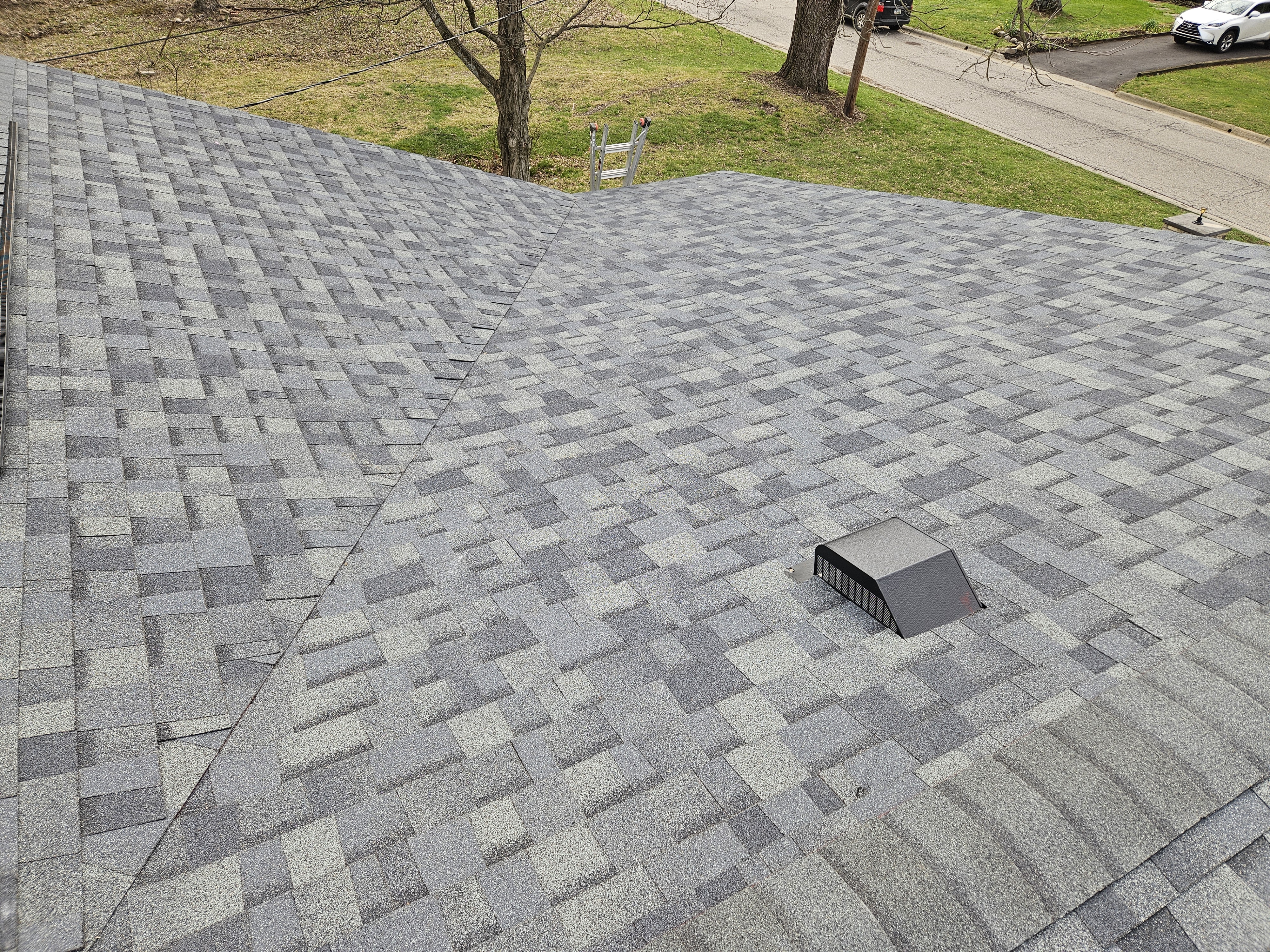
Tear-Off vs. Overlay Roofing: Why Adding a Second Layer of Shingles Is Usually a Costly Mistake
Thinking about installing new shingles over old ones? Learn why a complete roof tear-off often provides better protection, longer lifespan, and fewer costly surprises for Columbus homeowners.
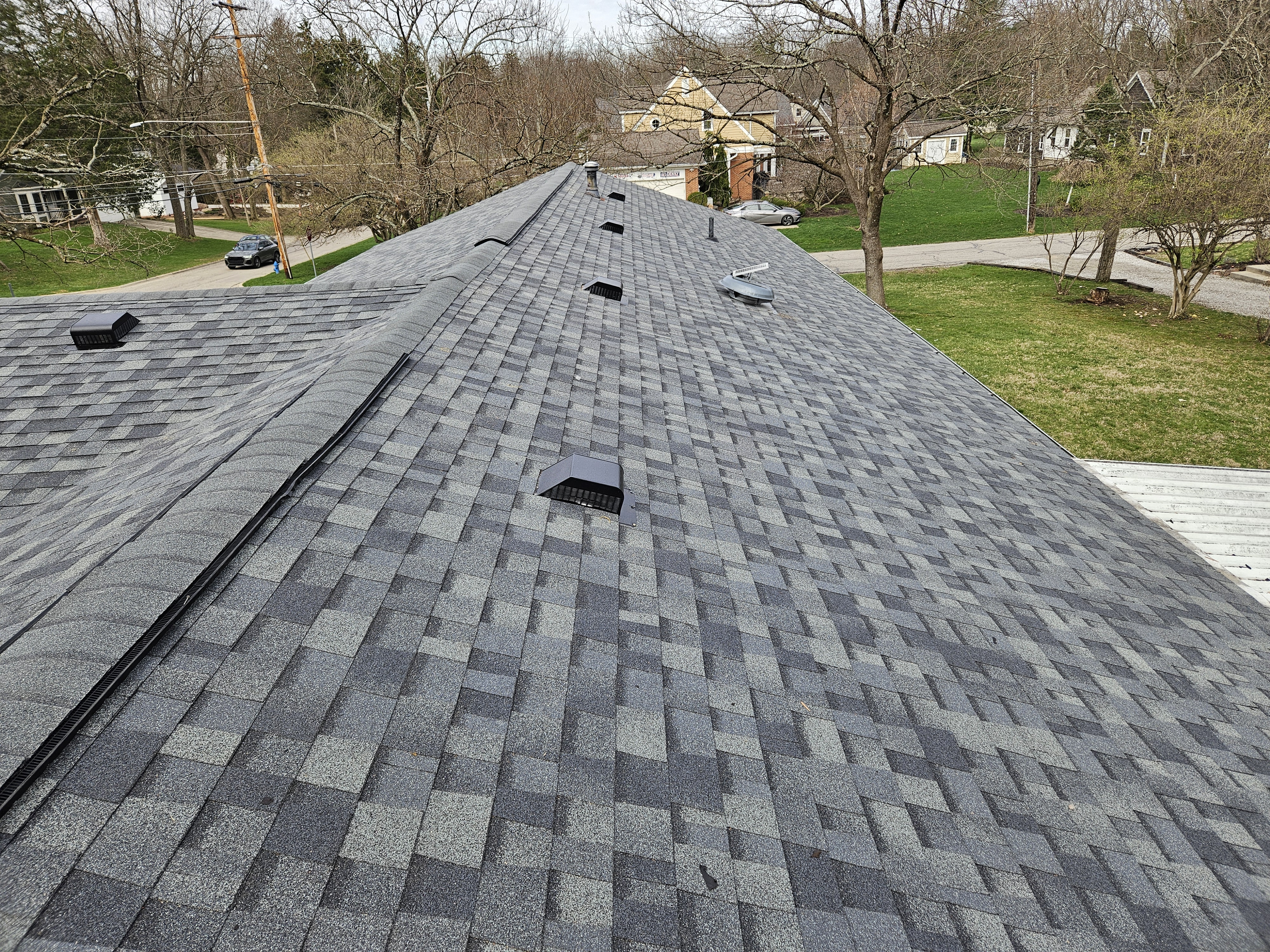
What Goes Under Your Shingles? Underlayment, Ice & Water Shield Explained
What Goes Under Your Shingles? Underlayment, Ice & Water Shield Explained | iSpec LLC What Goes Under Your Shingles? Understanding Underlayment, Ice &
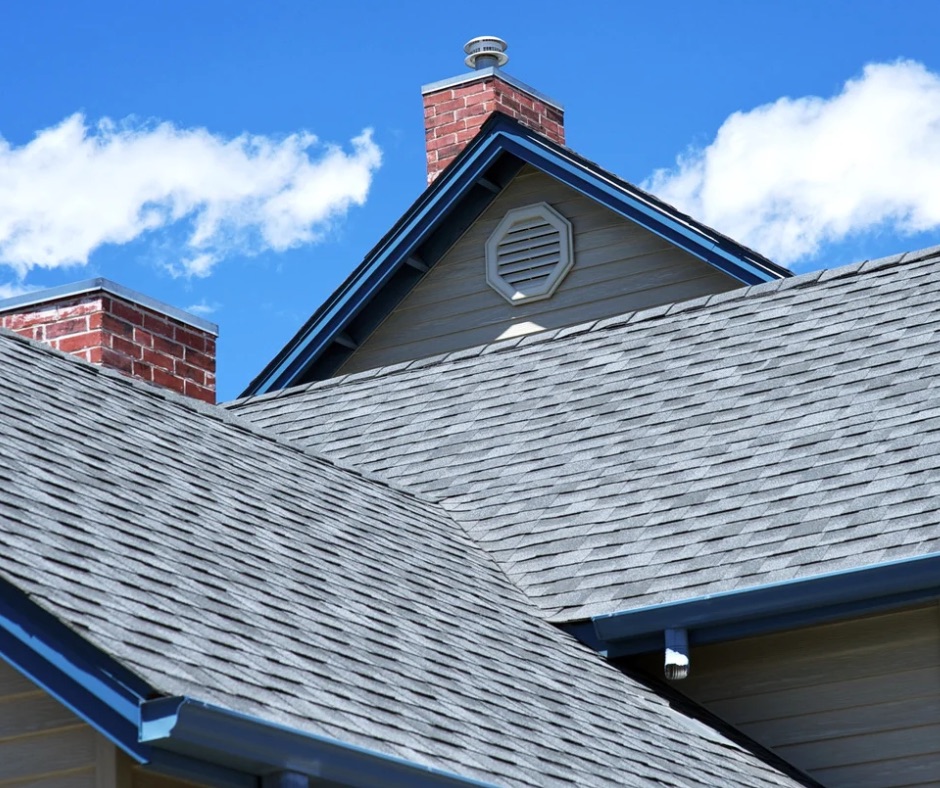
3-Tab vs. Architectural vs. Luxury Shingles: A Columbus Buyer's Guide
Asphalt shingles cover roughly 75 percent of American homes — including the vast majority of Columbus residential roofs. But "asphalt shingle" isn't one product. It's a category with three distinct tiers, each with different lifespans, costs, wind ratings, appearances, and Ohio climate performance.