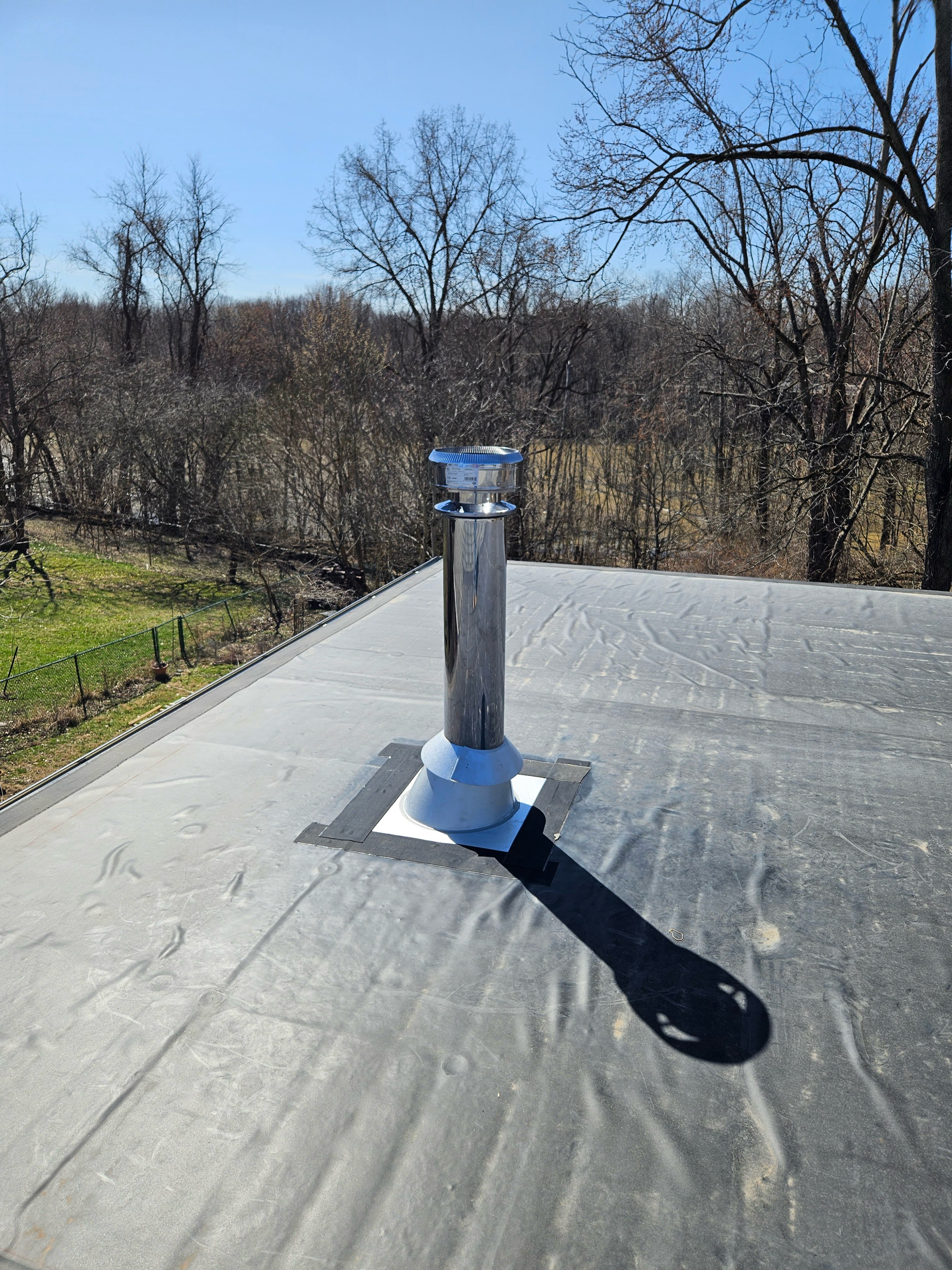
Roof Flashing: The $200 Detail That Causes the Most Roof Leaks
Roof Flashing: The $200 Detail That Causes the Most Roof Leaks
When homeowners think about roof leaks, they usually blame missing shingles, hail damage, or aging roofing materials.
Surprisingly, one of the most common causes of roof leaks isn't the shingles at all.
It's the flashing.
Roof flashing is one of the least expensive parts of a roofing project, yet improper flashing installation accounts for many costly water intrusion problems homeowners experience. A repair that might have cost around $200 during installation can eventually lead to thousands of dollars in structural repairs if overlooked.
At iSpec LLC, we've inspected countless homes where the roof itself was still in good condition—but improperly installed or deteriorated flashing allowed water to slowly penetrate the home for years before the damage became visible.
What Is Roof Flashing?
Roof flashing is thin metal material installed anywhere your roof meets another surface or has an opening.
Its purpose is simple:
Redirect water away from vulnerable areas before it has a chance to enter your home.
Common flashing locations include:
- Chimneys
- Plumbing vent pipes
- Skylights
- Roof valleys
- Dormers
- Sidewalls
- Roof-to-wall intersections
- HVAC penetrations
Think of flashing as the waterproof transition between roofing materials. Without it, even the best shingles cannot fully protect your home.
Why Flashing Fails
Improper Installation
Unfortunately, flashing mistakes happen more often than homeowners realize.
Common installation errors include:
- Incorrect overlap
- Improper fastening
- Missing sealant where required
- Reusing damaged flashing during roof replacement
- Cutting corners to reduce installation costs
These shortcuts may not leak immediately—but eventually they almost always do.
Age and Weather
Even properly installed flashing experiences years of expansion and contraction caused by:
- Summer heat
- Winter freezing
- Heavy rain
- Snow
- Ice
- High winds
Eventually, fasteners loosen, sealants crack, and metal begins separating from adjoining materials.
Rust and Corrosion
Older galvanized flashing can eventually rust. Once corrosion creates holes, water has a direct path into your roof system.
Modern aluminum, galvanized steel, and copper flashing generally last much longer when properly installed.
Signs Your Flashing May Be Failing
Many flashing problems remain hidden until water damage appears inside your home.
Watch for:
- Water stains on ceilings
- Peeling paint
- Bubbling drywall
- Mold around chimneys
- Damp attic insulation
- Water entering during wind-driven rain
- Visible rust around roof penetrations
- Loose metal around chimneys or walls
By the time interior damage appears, the leak has often existed for months—or longer.
Why Reusing Old Flashing Is Risky
Some contractors attempt to save homeowners money by reusing existing flashing during a roof replacement.
While it may reduce the initial estimate, it often increases the risk of future leaks.
New shingles installed over aging flashing create a weak point in an otherwise new roofing system.
Professional roofing contractors typically recommend replacing flashing whenever a new roof is installed unless the existing flashing is in exceptional condition and compatible with the new roofing system.
Small Investment, Big Protection
Compared to the total cost of a roof replacement, flashing represents only a small portion of the project.
Yet it protects some of the most leak-prone areas on your home.
Replacing flashing during roof installation is one of the most cost-effective investments you can make.
Skipping it may save a few hundred dollars today—but could cost thousands in future repairs involving:
- Roof decking
- Structural framing
- Insulation
- Drywall
- Interior finishes
- Mold remediation
The Value of a Professional Roof Inspection
Not all roof leaks are obvious.
An experienced inspector knows exactly where flashing failures commonly occur and can identify potential issues before they become expensive repairs.
Routine inspections after severe storms and as your roof ages can help catch minor problems early—when repairs are still relatively inexpensive.
Protect Your Home Before a Small Leak Becomes a Major Repair
Roof flashing may not be the most visible part of your roofing system, but it plays one of the most important roles.
Quality materials, proper installation, and regular inspections help ensure your roof performs as designed for years to come.
If you're planning a roof replacement or have concerns about a possible leak, a professional inspection can provide peace of mind and help protect your investment.
Frequently Asked Questions
How long does roof flashing last?
Properly installed flashing often lasts 20 to 40 years, depending on the material, climate, and maintenance.
Can flashing be repaired without replacing the entire roof?
Yes. Many flashing issues can be repaired independently if caught early before significant water damage occurs.
Does homeowner's insurance cover flashing leaks?
Coverage depends on the cause of the damage. Sudden storm-related damage may be covered, while leaks caused by normal wear, aging, or lack of maintenance often are not. Review your policy and consult your insurance provider for specific coverage details.
Should flashing always be replaced during a roof replacement?
In many cases, yes. Replacing aging or damaged flashing during a roof replacement helps reduce the risk of future leaks and protects the performance of the new roofing system.
Need a Professional Roof Inspection?
If you're concerned about roof leaks or planning a roof replacement, the experienced team at iSpec LLC can help. We provide thorough roof inspections and honest assessments so you can make informed decisions before small problems become costly repairs.
Contact iSpec LLC today to schedule your roof inspection.